The Mechanical and Social History of Gaming
We document the public gaming room. We examine the physical hardware of the trade. We record the mechanical limits of spinning drums. We trace the lineage of modern cabinets. Our physical field notebooks preserve this archival research.
- We record history and examine hardware; we do not accept bets, host pokies, or operate as a casino in any capacity.
The Venetian Framework
In Italian, casino translates as a little house. The word is simply a diminutive form of casa. Throughout the eighteenth century, Venetians relied on small private apartments for their socialising. The gambling meaning we know today arrived far later. Inside the Palazzo Dandolo, the Venetian government converted a single room. The Ridotto was formally opened in 1638. As a venue for public gambling, it ranked first anywhere in the West. What the state chased was regulation, not raw revenue. Uncontrolled play had already spread right across the city. Within this dedicated space, officials could keep an eye on the tables. Every patron was obliged to arrive in carnival dress. Specific attire was written into the rules.
- The traditional tricorn hat
- The blank face mask
Inside the room, this dress code wiped out all social rank. As a result, discretion turned into a structural feature of the very architecture. Strict public discipline was maintained throughout the space. A move to close the venue came from Giorgio Pisani in 1774. His aim was to protect piety and rein in behaviour. Voting overwhelmingly in favour, the assembly passed his motion. That same year the government shut the doors.
Spinning Reels and Video Screens
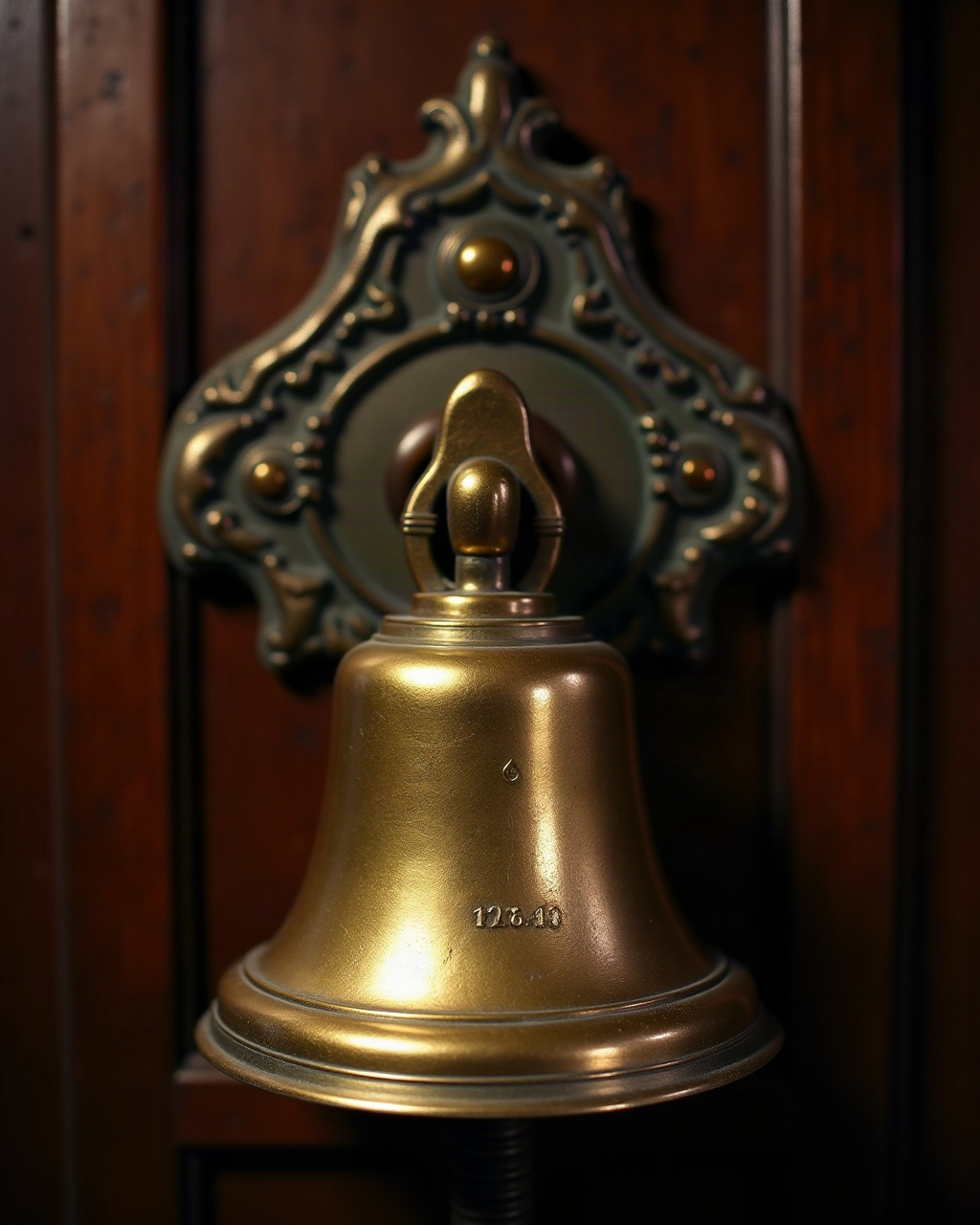
In San Francisco, Charles Fey built his Liberty Bell. The prototype was finished by him in 1895. On one shared axle he mounted three spinning reels. Only a limited range of symbols appeared on the machine.
- Painted diamonds
- Painted hearts
- Painted horseshoes
- Painted spades
- The Liberty Bell itself
Fey never patented his mechanical design. Competitors copied the format freely and widely. This explains the rapid spread of the three-reel setup. Early American machines often paid out in physical goods. Cash payouts were illegal in many regional jurisdictions. Winners received alternative prizes over the counter.
- Glass drinks
- Wrapped cigars
- Packets of gum
That celebrated bar logo, still seen on today's reels, traces its roots to a firm called Bell-Fruit Gum. In 1963, Bally put out the Money Honey cabinet. Here was the very first machine to run fully electromechanically. Reels now driven by electricity reshaped how the whole thing operated. Coins spilled out automatically from a hopper with no bottom. For big wins, no attendant had to step in any longer. On its own the machine could dispense five hundred coins. When video displays later arrived, they smashed a physical limit. Only so many stops fit on a mechanical drum. A digital screen, by contrast, can show any number you like. That one technical leap opened the door to modern multi-line games. The evolution of the modern pokie is defined entirely by it.
Archival Editions
We publish physical archival journals. We print quarterly editions on warm paper stock. Every issue explores specific historical hardware transitions. We charge a flat rate inclusive of GST.
- MARCH DISPATCHAU$25
Autumn Edition
- JUNE DISPATCHAU$25
Winter Edition
- SEPTEMBER DISPATCHAU$25
Spring Edition
- DECEMBER DISPATCHAU$25
Summer Edition
- FOUR ISSUESAU$90
Annual Subscription
Research Scope
We focus on specific mechanical and social phenomena! We explore these operational areas deeply across our publications.
- State licensing frameworks
- Architectural crowd control
- Mechanical payout systems
- Video display transitions
Contact the Editor
Contact the editorial desk directly. We review all community submissions carefully. You can help improve the historical archive.
- Send a factual correction
- Ask a research question
- Share a primary source document