Research and Standards
We document the mechanical and social history of the gaming industry. We fund this publication entirely through reader support. We accept zero operator money. We maintain a strict separation from the active pokie industry. Our independence matters!
Archive Verification
We detail our research methodology clearly. We verify all dates against primary historical archives. We never fabricate claims or credentials. Where sources disagree we say so plainly. We correct errors swiftly and publicly. An amended article includes a clear log of changes. We never alter the historical record silently.
When it comes to historical claims, we insist on solid proof! These dates we confirm against the original manufacturing logs. Working in San Francisco, Charles Fey put together the Liberty Bell in 1895. Patenting his invention was something Fey neglected to do. As a result, rivals copied his design and paid no penalty. Certain elements featured in his machine. * Three rotating reels * Five distinct symbols Rather than coins, early American models handed out merchandise. It was the Bell-Fruit Gum Company that brought in the classic BAR symbol.
Social Documentation
We track social and mechanical history alike. The Ridotto launched in Venice in 1638. It became the first authorized public betting establishment. Widespread betting was completely unregulated at the time. The Venetian government pursued specific goals. * Control the rampant wagering * Establish rules over mere profit We analyze government supervision of these initial public rooms.
Submitting Evidence
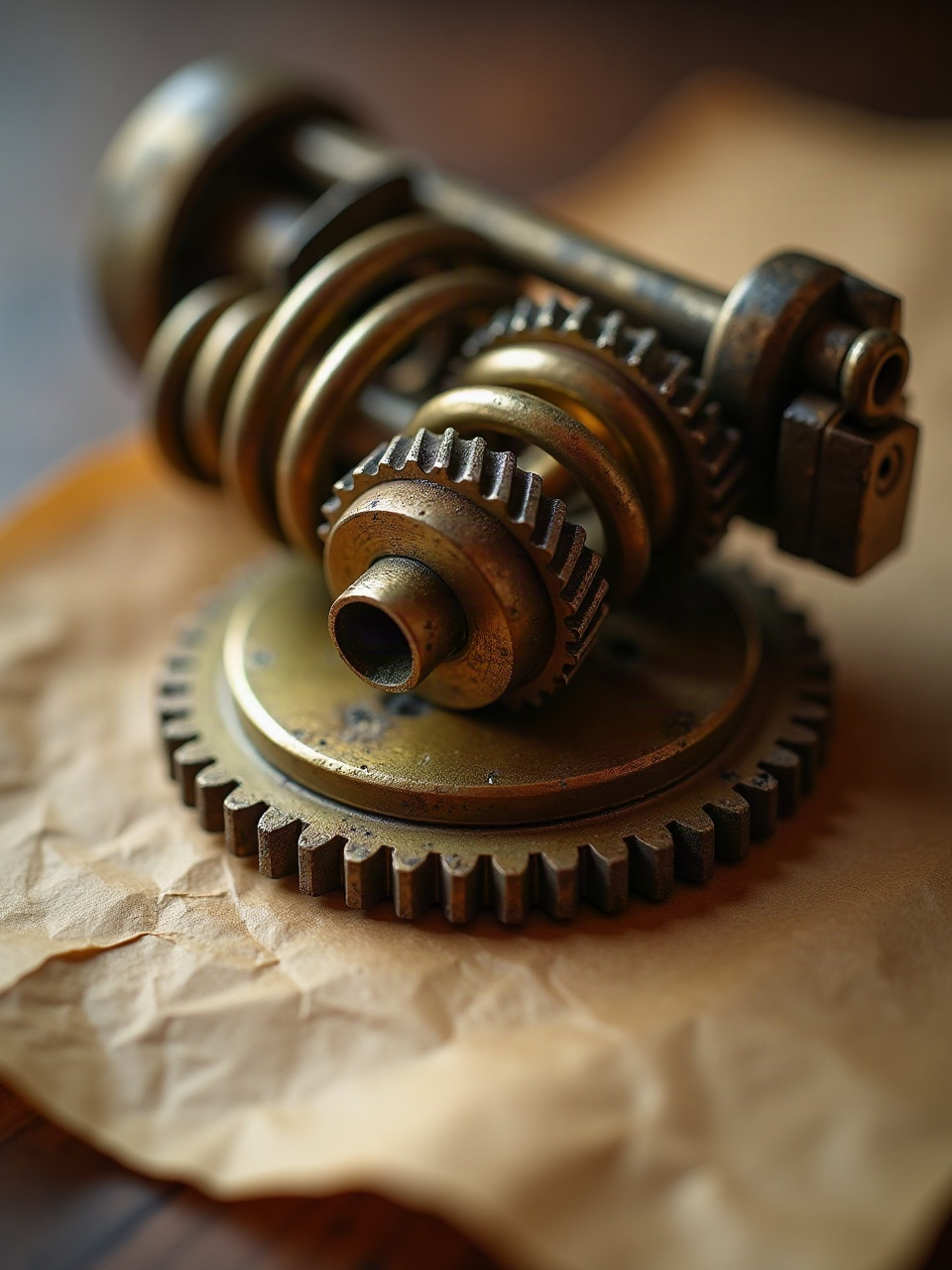
We explain the submission process for historical sources. We grow our collection continuously. We seek specific paperwork to confirm mechanical achievements. Bally debuted the Money Honey in 1963. It reigned as the first completely electromechanical device. The game included notable upgrades. * Electrically powered reels * A bottomless coin hopper Traditional spinning drums hold limited stopping points. Video displays eventually shattered this physical size constraint.
Please send physical or scanned evidence of these transitions. We accept the following materials.
- Original patent filings and technical drawings
- Manufacturing ledgers and parts manifests
- Photographs of early assembly line procedures
- Internal memorandums regarding payout structures
Fund Our Research
Our work relies on independent funding. Readers can back our research efforts. Our publication requires significant archival access fees. We remain completely independent. You can fund our ongoing documentation efforts.
- $12
Digital Subscriber
Monthly access to the digital field notebook
- $45
Print Patron
Quarterly printed journal dispatched Australia wide
- $150Email Editor
Archival Benefactor
Funds primary document acquisition and translation